top of page

If you want to get the most out of your violin lessons, it's important to keep the instrument in top condition. You must pay close attention to the need for regular upkeep if you want your violin to sound amazing every time. Because it is known to be one of the instrument's most important components, paying attention to the wide string is crucial. The sound and playability of a violin can be directly affected by the quality of the strings, regardless of whether you are a passionate student or a professional musician.


In this guide, we will explain when and why violin strings should be replaced as well as the various factors that affect their lifespan.
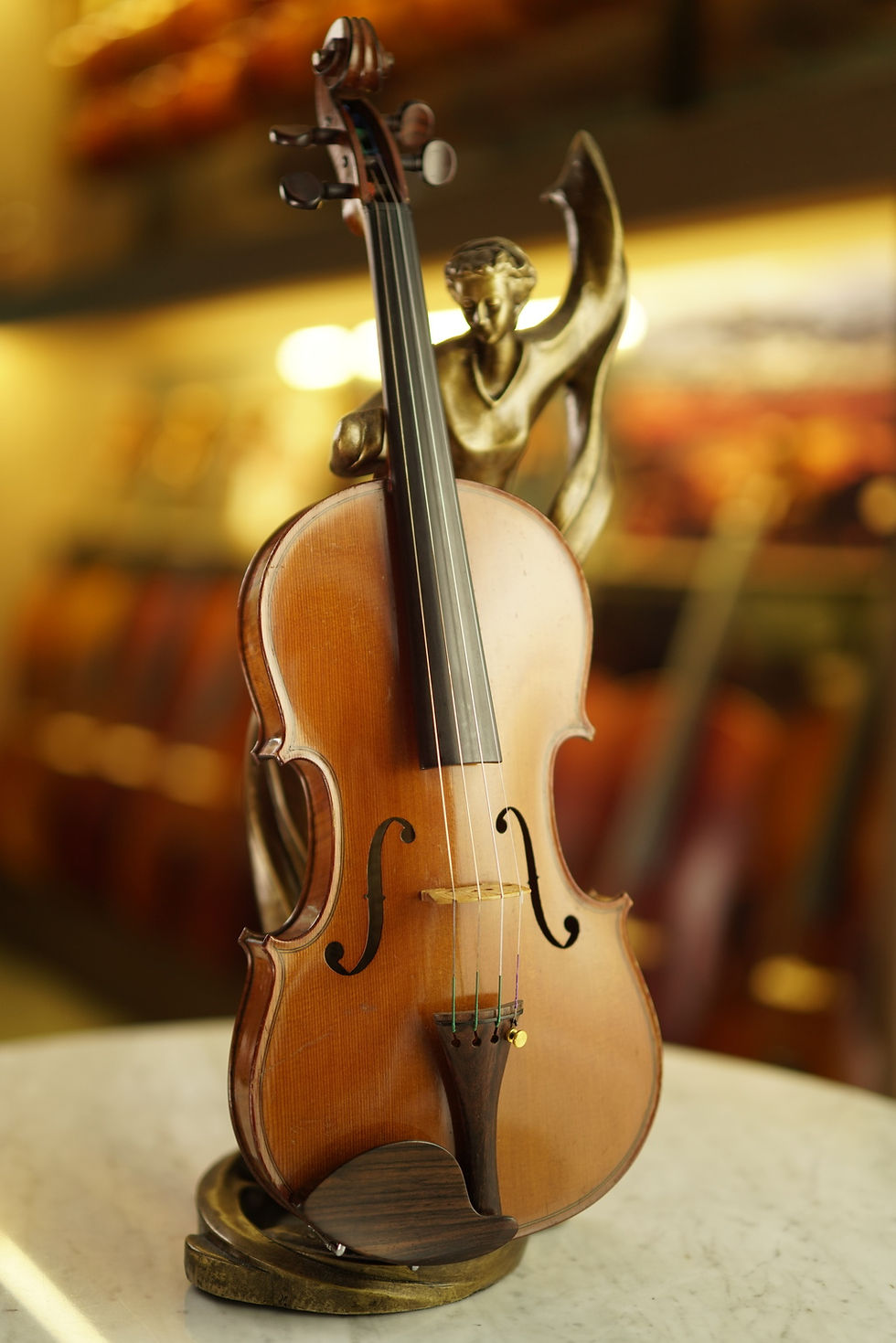

Playing frequency: One of the most important factors in determining how frequently you need to change your violin strings is how frequently you play your instrument. The violin strings naturally wear out more quickly in professional violinists who practice and perform on a daily basis. Professional violinists may need to change the strings every three to six months to keep their instruments sounding their best.


However, practicing a few times a week is important for occasional players, so your violin strings might last a little longer. The strings might only need to be changed once every six months to a year in these situations. However, you must regularly check the strings' condition and replace them whenever you notice even the tiniest bit of wear and tear.


Type of Strings: The lifespan of your violin strings is also influenced by the type you use. Gut, synthetic, and steel are the most common types of violin strings.

  • Gut Strings: Gut strings are made from the intestines of sheep. They have a warm, rich sound that many classical musicians like. However, they are less long-lasting and more susceptible to temperature and humidity fluctuations. Gut strings typically need to be replaced every two to three months.

  • Synthetic Strings: Synthetic strings are a compromise between the warmth of gut strings and the durability of steel strings made from materials like nylon or composite fibers. Depending on usage, synthetic strings can last anywhere from six months to a year.

  • Steel Strings: Steel violin strings are the most long-lasting and resistant to environmental changes, and they are renowned for their bright and clear tone. Even when used frequently, they can last for up to a year or more. Steel strings, on the other hand, might not be as rich in tone as gut or synthetic strings.

Damaged signs: It doesn't matter what kind of violin strings you use—you need to be on the lookout for signs of wear and tear to know when it's time to replace them. The following are some of the most common sciences.

  • Unraveling or frame: If the outer winding of the violin strings begins to fry or unravel, the integrity and quality of the sound they produce may be compromised.

  • Loss of tonal quality: Violin strings lose their ability to produce clear and resonant tones over time and through consistent practice. If you're constantly noticing dull, muted and inconsistent sound, it is more likely to be the time to change your violin strings.

  • Difficulty tuning: It can be really hard for anyone to tune a violin with worn-out strings because they may not be able to hold the page properly. The strings need to be replaced right away if they frequently fail to maintain stability.

  • Corrosion with a visible sign: Your fingers' natural oils and sweat can cause corrosion on your violin strings, especially in higher positions. If your violin strings become discolored or worn out, it might be time to change them.

Environment: Violin strings' lifespan can also be affected by environmental factors like humidity, temperature, and contact with sweat and oils. While extreme dryness can result in breakage and brittleness, high humidity can also cause cut strings to expand and lose tension. Steel strings are more resistant to these changes, but prolonged moisture exposure can still affect them.


It is essential to store your violin in a controlled environment with a case in order to extend the life of the strings. You can also keep an eye on the humidity level with a hygrometer, and you might want to use silica gel packs or a humidifier to keep things at their best. After a session of playing, a clear, dry cloth can also be used to wipe down the violin strings to remove oils and sweat that cause corrosion.


Playing style and techniques: The frequency with which you need to change your violin's strings can also be affected by your playing style and technique. The strings may wear out more quickly as a result of aggressive playing, heavy bowing, or frequent vibrato use. On the other hand, playing with less force and with more control can make the strings last longer.


It is also essential to keep in mind that as a beginner develops their technique, it may become necessary to change their violin strings more frequently. Frequent adjustments and inconsistent pressure can accelerate wear. You might notice that your strings last longer as your playing gets better and you become more consistent.


Importantness of regular maintenance: The most important factor in ensuring the viability of violin strings is regular maintenance. To keep the strings in top condition, here are some of the most important points to keep in mind.


  • Clean regularly: Make sure to clean the violin on a regular basis by wiping down the strings and the fingerboard with a soft, dry cloth after each playing session to remove sweat, oils, and roin.

  • Check for string tension: Verify that the violin strings are properly tensioned and seated in the bridge's groups by checking for string tension.

  • Correctly check for damage: Regularly inspecting violin strings is important to find corrosion signs, damage, and where they are.

  • Replace when necessary: Before replacing the violin string, do not wait for it to break. In order to avoid instrument damage and maintain consistent sound quality, proactive replacement is recommended.


Select the appropriate strings for your violin: It is critical that you always select the appropriate strings for your instrument. For the best sound quality, your playing style is just as important. As a result, you need to take into account things like the kind of music you play, the tonal qualities you like, and your level of skill. Speaking with experts or seasoned luthiers can help you choose the right strings for your violin.


Conclusion

Knowing when to change your violin strings is essential for maintaining optimal sound quality and playability. You can make sure that your violin stays in great condition by taking into account things like how often you play it, what kind of strings it has, signs of wear and tear, the environment, your playing style, and how often it needs to be maintained. Not only does changing your strings on a regular basis improve your performance, but it also keeps your expensive instrument safe.


Stradivari Strings offers a wide range of options to meet the needs of every player, including high-quality violin strings and expert advice on instrument care. Stradivari Strings is your trusted partner in achieving the perfect sound because they are dedicated to excellence and customer satisfaction. Explore the collection at Stradivari Strings to find the best strings for your violin.


  • Writer: stradivaristringss
    stradivaristringss
  • Jan 20
  • 4 min read

When it comes to learning the violin, it is essential to take violin lessons in Singapore. Learning this instrument requires great knowledge and patience. It takes time to develop. It needs years of guidance and constant learning from the best teachers. However, when it comes to choosing the right institution, you have to make sure that you properly assess before you decide. When looking at violin classes in Singapore, you need to make sure that you pay attention to every detail because there are so many options available today.


Choosing the best violin classes in Singapore will always result in the best results, whether you or your child wish to learn this instrument. However, if this is your first time, you might not be able to make the best choice for yourself. As a result, deciding on an educational establishment necessitates that you begin looking into each and every one of these crucial aspects. Let's take a look at some of the most crucial factors to consider when selecting the best violin instruction provider.


Teachers' qualifications:


The first and most important thing you need to make sure of is that the teachers who teach violin in Singapore have the right qualifications. When learning this instrument, you need to select knowledgeable instructors. Hence, while deciding on an institution, you must evaluate the teachers' qualifications and ensure that they have taken formal learning and have great credentials to show. In addition, check to see that they have excellent musical experience. A teacher's qualifications show how well they can teach this instrument.


Approach and style of teaching:


Different students learn instruments in different ways. Any instrument, not just the violin, would require a different method of learning. Also, different kids will learn this instrument in different ways. Before choosing to take violin lessons in Singapore, it is essential to comprehend the teacher's method and style. You must determine whether the instructor incorporates modern styles or more traditional methods. Making sure and evaluating the ability will aid in the adaptation of learning styles and lesson plans.


Curriculum of the violin classes:


Before choosing a violin class in Singapore, you need to find out what they teach. You must ensure that it is structured correctly and covers all relevant points. Essential skills like bowing, scales, and finger placements need to be covered in the curriculum. You should also inquire about the progression and the division of classes according to students' proficiency levels. You are certain to make better progress on your learning journey when you are certain of all of these things before making a decision.


Size of the classes:


If you've decided to take violin lessons in Singapore, you should make sure to check the institution's class size. As an institution with fewer classes or groups, it is critical that you evaluate this factor appropriately. Be sure you can properly pay attention to each and every student. They are able to maintain the overall ratio of learning in order to improve. Therefore, it is important that you properly assess the class sizes before deciding on an institution.


Facilities:


It is true that you will have access to a lot of facilities if you enroll in violin lessons at a Singapore institution. You will find a setting where students can learn and make a big difference in their progress. If you go to the classroom in advance, you can learn a lot about whether or not it has a good learning environment. Make sure that it has a clean, well-organized space, enough space for learning, and tools and musical instruments available. This will guarantee that students receive everything they need to learn this instrument.


Recommendations and feedback from past students:


Looking at the recommendations and feedback from previous students is one of the easiest ways to determine whether or not violin classes in Singapore are worth taking. A positive learning experience is frequently indicated by positive feedback from current or previous students. Look for reviews that talk about the teacher's expertise, teaching style, and the studio or school as a whole. Consistent praise in these areas suggests a reliable and effective learning program. You can also get in touch with them directly to learn more about the teachers and classes.


Cost of learning:


Learning to play the violin takes four years, not a few months or a few days. To become a great violinist, you must put in a lot of time and practice over many years. As a result, if you want to take violin lessons in Singapore, you should pay close attention to the fees charged by the institution. This will help you to understand if you will be able to continue taking violin classes in Singapore. Compare fees to ensure you are getting value for your money. While private lessons offer the advantage of individualized attention, which may prove to be more advantageous in the long run, group lessons typically cost less.


Flexibility in scheduling:


Scheduling flexibility is another critical factor to consider. Ensure that the lesson schedule aligns with your or your child’s routine. Scheduling that is adaptable can make it simpler to keep up a consistent practice while also accommodating unforeseen changes. Makeup classes and flexible scheduling options are offered by some studios, which can be a significant benefit for individuals with irregular schedules or busy families.


Conclusion:


So, these are some of the most important things to look for in a music school in Singapore that offers lessons for the violin. There will be a lot of choices on the market today, but before choosing a school, you need to make sure you properly evaluate all of the important details. As a result, I hope these points will be helpful. However, if you want a great recommendation, we recommend you choose Stradivari Strings. With some of the best instructors and curriculum, you get the best learning experience.


If you've always wanted to learn how to play an instrument or buy one, you need to find the best music store in Singapore where you can do both. With the availability of online music shopping options these days, selecting one can be a daunting task, particularly for novices. But if you decide to go to a local music store in Singapore, you can have a different kind of time. There are several retailers available locally that can offer you a wide range of choices. So, let us take a look into the reasons why local music shops in Singapore are greatly in demand among musical enthusiast.


Personalized Service

  • Staff with expertise and a passion for music

Staff members who are not only knowledgeable about music but also passionate musicians themselves frequently work at a local music shop in Singapore. They are able to offer insights and recommendations that go beyond the fundamentals due to their firsthand experience with various musical genres and instruments. This personal touch ensures that you receive advice that is both practical and inspired by a genuine love for music.

  • Tailored Advice Based on Individual Preferences

Every beginner has unique preferences and needs. The staff at a local music store can tailor their recommendations to your specific tastes and objectives, regardless of whether you are interested in classical music, jazz, rock, or any other genre. They can help you find an instrument that fits your physical characteristics and musical goals, making learning music easier and more enjoyable.

  • Invaluable Guidance for Beginners

It's important to start your musical journey with the right advice. A music shop in Singapore provides invaluable support for beginners, from helping you select the right instrument to offering tips on maintenance and care. In your early learning stages, this direction can make a big difference by helping you avoid common pitfalls and build a good relationship with your instrument.


Unique Product Selection

  • Products made by hand and sourced locally

One of the joys of shopping at a local music shop is discovering unique, locally sourced, and handmade items. Most of the time, these instruments have a level of craftsmanship and attention to detail that isn't present in mass-produced products. In addition to supporting local artisans, owning such an instrument provides you with a musical instrument with character and soul.

  • High-Quality Instruments Backed by the Store

A music shop in Singapore take pride in the quality of the instruments they sell. They often have stringent quality control measures and back their products with warranties and after-sale services. Because of this guarantee of quality, you can be sure that the instrument you buy will be dependable and great to play, giving you a good foundation for your musical endeavors.

  • The Exhilaration of Discovering Hidden Treasures

Exploring a local music store in Singapore and finding unusual instruments and accessories that you won't find anywhere else brings a certain thrill. The process of selecting your first instrument can be made even more special and memorable by this sense of discovery.


Impact on the environment is reduced.


  • Shorter Transportation Distances for Products

When you buy products in Singapore from a local music store, they typically have traveled shorter distances to reach the store. Shipping is more environmentally friendly because this reduction in transportation reduces its carbon footprint.

  • Contributing to a Smaller Carbon Footprint

Sustainable practices are more likely to be used by local businesses. By choosing to buy locally, you contribute to reducing the overall environmental impact of your purchase. This conscious decision supports businesses that place a high value on sustainability while also promoting a healthier planet.

  • Materials and choices that are sustainable

Instruments made from materials that are responsibly sourced may be available from a number of local music stores that are committed to sustainability. You increase your positive environmental impact by supporting these shops, which encourage the production of musical instruments using environmentally friendly materials and methods.


Connection to the Community


  • Beyond Retail: A Hub for Music Enthusiasts

In addition to being places to shop, local music stores frequently become gathering places for music fans. They provide a welcoming environment where beginners and seasoned musicians alike can gather, share experiences, and learn from one another. This sense of community can be incredibly motivating and inspiring for new musicians.

  • Classes, workshops, and events

Many local music shops host events, workshops, and classes that provide valuable learning opportunities. These events can help you develop your skills, meet other musicians, and stay engaged with your musical journey. These activities enhance your learning experience, whether it's a beginner's workshop, a masterclass with a professional musician, or a community jam session.

Joining a Vibrant Musical Community

In Singapore, joining a vibrant musical community means frequenting your neighborhood music store. This sense of community can help you feel more confident, give you opportunities to network, and form long-lasting friendships with people who share your love of music. When you're going through the ups and downs of learning an instrument, having the support and camaraderie of a local music community can be extremely helpful.


Immediate Gratification


  • Taking Purchases Home the Same Day

The ability to take your purchases home the same day is one of the biggest benefits of shopping at a local music store. There’s no waiting for shipping or worrying about delivery delays. Maintaining your enthusiasm and momentum, you can begin playing your new instrument immediately.

  • Uninterrupted Musical Journey

You'll be able to continue playing your new instrument without interruption. Without having to wait for your order, you can get right into practice and lessons. This continuity is especially important for beginners, as consistent practice is key to progress.

  • No Delays for Shipping or Handling

Avoiding shipping delays and potential mishandling during transit is another benefit of buying locally. Your instrument is less likely to be damaged, and you can be confident in its condition when you leave the store. This peace of mind is priceless, especially when investing in your first instrument.


Conclusion

For beginners embarking on their musical journey, a local music shop in Singapore offers numerous advantages that can significantly enhance their experience. From personalized service and unique product selections to reduced environmental impact and strong community connections, the benefits of shopping locally are substantial. By choosing a local music shop in Singapore like Stradivari String, you not only invest in a quality instrument but also support your community and contribute to a more sustainable future. So, take the first step in your musical adventure by visiting your local music shop—you won’t be disappointed.


bottom of page